
Your Complete Guide to Traveling Thailand: What’s Changed & What You Need to Know
Planning a trip to Thailand? From visa changes to new luxury experiences, here’s everything that’s different this year.
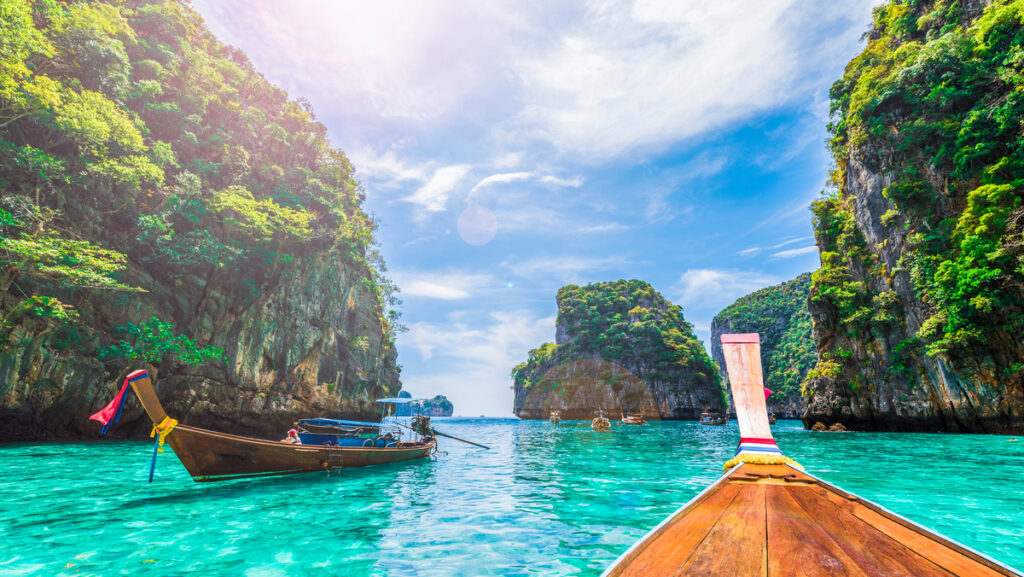
If you’re dreaming of temple-hopping in Bangkok, island-hopping in the south, or exploring the misty mountains of the north, Thailand offers incredible opportunities but also some important changes you need to know about before you book your flight.
After living in Thailand for over six years and helping hundreds of travelers plan their perfect trips, I’ve seen firsthand how missing crucial updates can turn a dream vacation into a stressful experience. From unexpected fees to new rules that could leave you stuck at immigration, being informed makes all the difference.
Let’s dive into everything you need to know to make your Thailand adventure unforgettable.
The Visa Situation: What’s Changed and What to Expect
The biggest changes to Thailand travel have come in the form of visa regulations, and if you’re not up to speed, you could find yourself in a frustrating situation at the airport.
The Digital Arrival Card: Don’t Skip This Step
Thailand has reintroduced arrival cards—but this time, they’re digital. Gone are the days of frantically filling out paper slips on the plane. Now, you must submit your travel details online within 72 hours before your flight lands.
Here’s what you need to provide:
∙ Passport information
∙ Flight number
∙ Address where you’ll be staying in Thailand
The catch? You can’t submit this form any earlier than 72 hours before landing. Set a phone reminder for a few days before your departure, because you don’t want to be that person frantically hunting for airport Wi-Fi while exhausted travelers pile up behind you in the immigration queue.
Once completed, you’ll receive a QR code to show at immigration. I’ve personally witnessed travelers who waited an hour in line get sent away to fill out this form, adding another hour or more to their wait time. Do yourself a favor and complete it before you leave home.
How Long Can You Stay? The 60-Day Question
Currently, travelers from most visa-exempt countries can stay in Thailand for up to 60 days without a visa. This is a generous allowance that gives you plenty of time to explore everything from bustling Bangkok to tranquil beaches and mountain villages.
However, there’s a catch: Thailand has announced plans to potentially scale this back to 30 days. No firm date has been set, and given the tourism department’s history of reversing big decisions, this is something to monitor closely. The change could happen at any time, so always check the latest requirements before booking.
The Digital Nomad Dream: Destination Thailand Visa (DTV)
For those planning an extended stay, the Destination Thailand Visa (DTV) has been a game-changer. This visa is designed for remote workers, freelancers, and even people coming to Thailand for training in activities like Muay Thai or cooking courses.
The benefits are impressive:
∙ Stay up to 180 days per entry
∙ Multiple entries allowed over a 5-year period
∙ Perfect for long-term travelers and digital nomads
After seeing this visa in action over the past year, it’s clear that while it opens exciting possibilities, the application process hasn’t been entirely smooth. Travelers have reported inconsistent rules depending on which Southeast Asian country they’re applying from, embassy delays, and long wait times.
More concerning, some approved DTV holders have had their Thai bank accounts frozen for suspected misuse. The takeaway? Follow the rules carefully and be prepared for potential hiccups in the application process. Hopefully, these issues will be ironed out as the system matures.
When Should You Visit Thailand?
Thailand is a year-round destination, but your experience can vary dramatically depending on when you go. Let’s break down the best times for weather, budget, and special experiences.
The Dry Season: Thailand at Its Best (October to February)
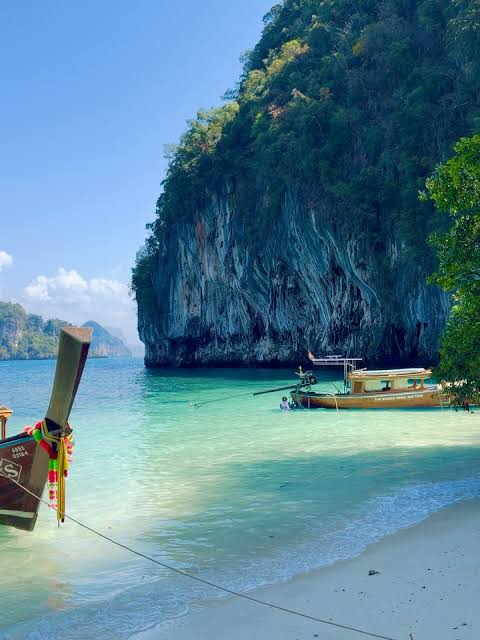
When you picture Thailand crystal-clear waters, endless blue skies, tropical sunsets you’re imagining the dry season. Running from October to February for most of the country, this is when Thailand shows off its best weather.
Expect:
∙Clear skies and comfortable temperatures
∙Perfect conditions for both beach lounging and jungle exploration
∙The most reliable weather for outdoor activities
Pro tip for island lovers: The Gulf Islands (Koh Samui, Koh Phangan, and Koh Tao) follow a slightly different pattern. Their best weather typically starts in January and can extend well into June. Great weather often lasts until June, so don’t panic if your spring island trip is outside the traditional dry season.
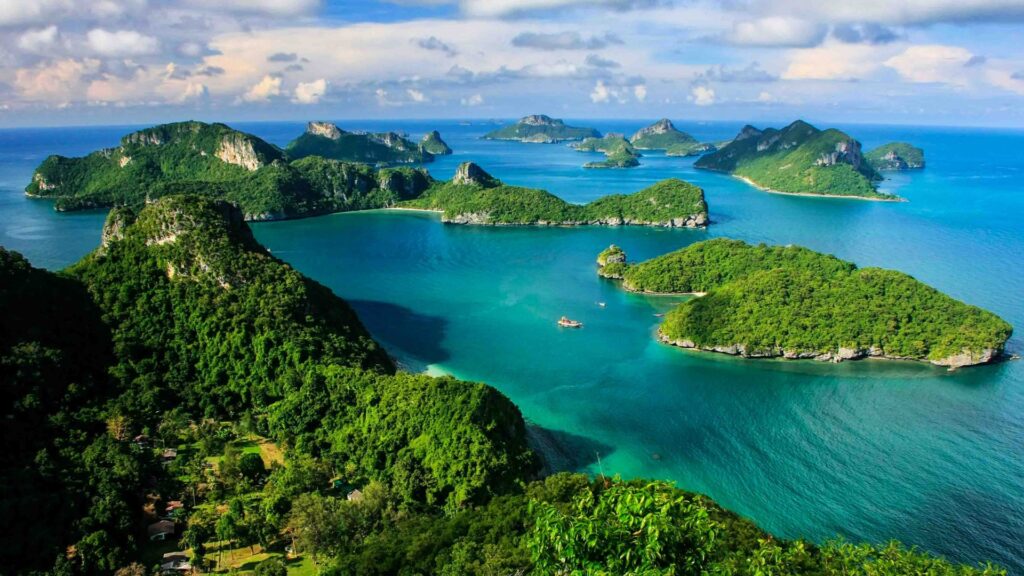
The Hot Season: Beach Perfect, City Challenging (March to April)
Thailand is warm year-round, but March and April take it to another level. This is the hot season, when temperatures and humidity soar.
The good news? It’s perfect for beach activities. The less ideal part? Trekking through jungles or walking around Bangkok can leave you drenched in sweat within minutes. If you’re planning a city-heavy itinerary or active adventures, you might want to choose a different time of year.
]
The Rainy Season: Not as Scary as You Think (May to October)
Here’s where many travelers get nervous but they shouldn’t be. Thailand’s rainy season gets a worse reputation than it deserves.
Yes, weather becomes less predictable. You might wake up to sunshine and encounter a tropical downpour by afternoon. But here’s what most people don’t realize: it doesn’t rain all day. Typically, you’ll get an hour or two of rain (usually late afternoon), then everything clears up as if nothing happened.
Recently in Bangkok, rain only fell two or three times a week one of the least rainy rainy seasons in recent memory.
Why you should actually consider rainy season:
1.Fewer tourists: Thailand’s most beautiful spots are more relaxed without huge crowds filling temples, islands, and city streets.
2.Massive hotel discounts: This is huge. September in particular sees luxury hotels drop to a fraction of their usual prices. If you’ve dreamed of staying somewhere truly special without destroying your budget, September is your golden opportunity.
If you’re tied to school holidays or summer break, don’t let rainy season deter you. With the right expectations and flexibility, it can still be an amazing trip.
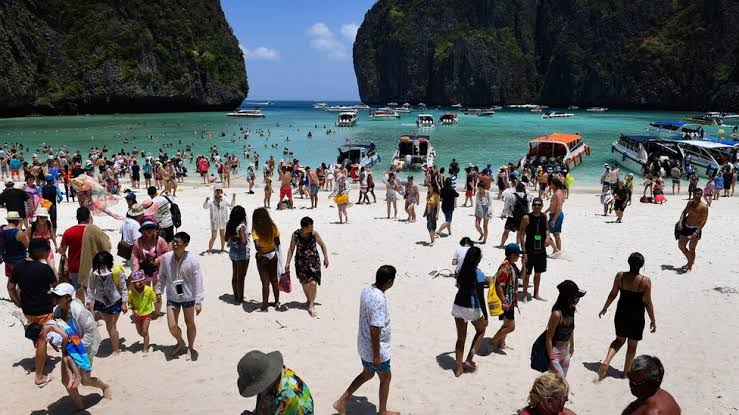
The Most Expensive Time: Christmas and New Year By far, the priciest and busiest time to visit Thailand is the two weeks surrounding Christmas and New Year. The combination of perfect weather and Western holiday schedules creates a perfect storm of demand.
If you’re planning a Christmas trip, here’s critical advice: Book your hotels early. Way earlier than you think. After helping people plan their Christmas trips throughout the year, I’ve watched suitable accommodations at good prices become scarce after August.
Island destinations like Phuket, Koh Samui, Krabi, and Koh Lanta are especially challenging. Wait too long, and you’ll be choosing between whatever’s left or paying triple for average hotels at best. Lock in your Christmas hotels before midyear to avoid disappointment.
The Burning Season: A Time to Avoid the North (Late February to April)
There’s one more season to be aware of, and it’s potentially the riskiest time to visit northern Thailand. Every year from late February through April, farmers in the north burn their fields to prepare for the next harvest. The result is thick smoke and haze blanketing cities like Chiang Mai, Chiang Rai, and Pai.
This period, known as burning season or smoky season, can get severe. A couple of years ago, Chiang Mai became the most polluted city in the world for several days, making international headlines.
The government has since introduced new rules to control the burning, and recent years have seen improvement. However, it’s still hit or miss. If you’re planning to visit northern Thailand in March or April, be aware of this issue and monitor air quality reports.
[SPACE FOR IMAGE: Hazy Chiang Mai skyline or air quality mask]
Thailand’s Epic Festivals: Events Worth Planning Around
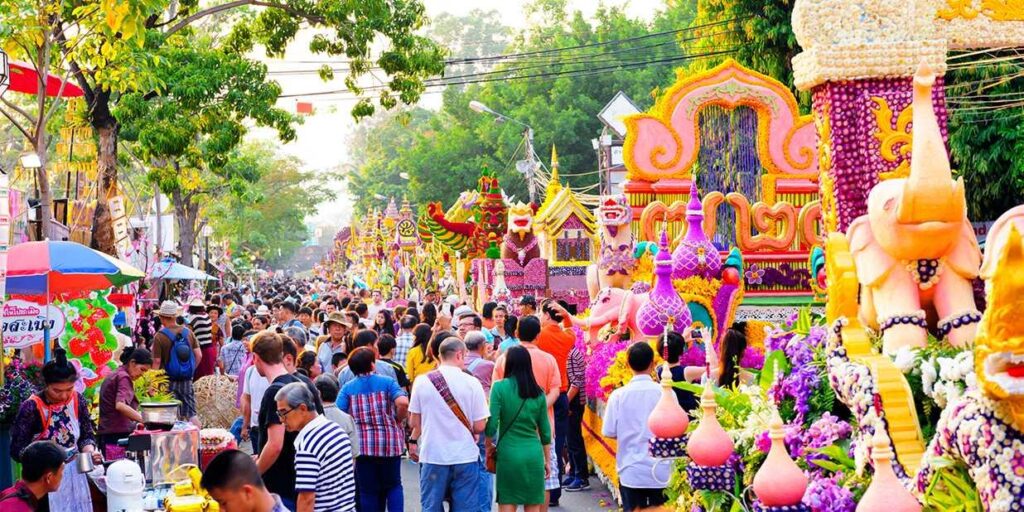
One of the most magical aspects of Thailand is its spectacular festivals. Planning your trip around one of these events can transform a great vacation into an unforgettable experience.
Chinese New Year (Mid-February)
While Thailand isn’t China, the country’s massive Thai-Chinese population throws one of the world’s best Chinese New Year celebrations. Head to Yaowarat Road in Bangkok or Phuket’s Old Town for firecrackers, lion dances, and incredible street food.
Songkran Festival (April 13-15)

April might be one of Thailand’s hottest months, but Songkran—the world’s biggest water fight—provides epic relief. This traditional Thai New Year celebration becomes a full-on national party as streets fill with people throwing buckets of water and firing water guns.
It’s chaotic, wet, and absolutely unforgettable.
Loy Krathong and Yi Peng (Late November)
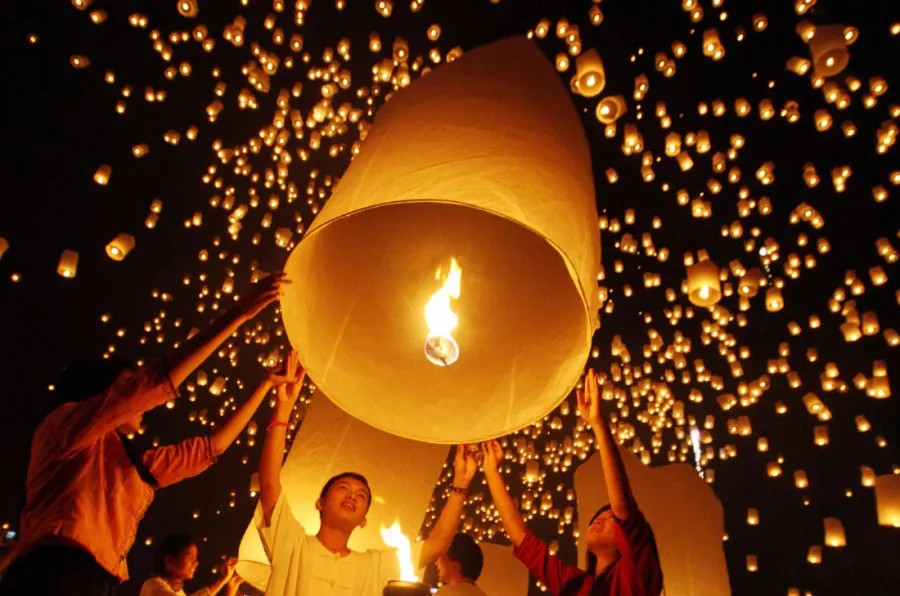
These twin festivals create one of the most beautiful spectacles in the world. During Loy Krathong, locals release candlelit floats into rivers and lakes across the country.
If you’re in Chiang Mai, you’ll also witness Yi Peng, when thousands of glowing lanterns drift into the night sky, creating a scene straight out of a fairy tale.
What Will Your Thailand Trip Actually Cost?
After helping over 100 people plan their Thailand trips, I have a solid understanding of what travelers are actually spending.
The cost depends primarily on two factors: when you visit and how you like to travel.
Mid-Range to Comfortable Travel ($4,000-$6,000 for two people)
This range typically includes:
∙ High-quality hotels
∙ Domestic flights with checked luggage
∙ Private transfers and airport pickups (no scrambling for taxis)
∙ Private guided experiences (no sharing with big groups)
∙ Special experiences like fine dining, luxury boat trips, or unique activities
This generally covers everything except international flights and daily food and drink.

Luxury Travel ($6,000-$10,000+ for two people)
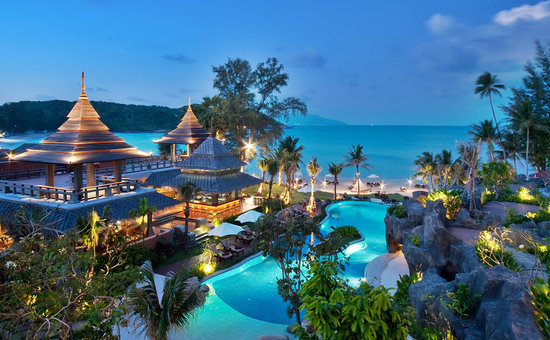
If you’re aiming for true luxury with five-star hotels throughout your trip, expect to spend in this range. Costs can climb even higher with room upgrades or Christmas travel.
Budget Travel (Around $2,000 for two weeks for a couple)
If you’re happy with more basic accommodations, group tours, and beach relaxation without many organized activities, you can certainly do Thailand for less. However, this usually means cutting back on comfort or missing out on some experiences.
Important Political and Legal
Several political events and legal changes will impact travelers.
Thailand-Cambodia Border Tensions
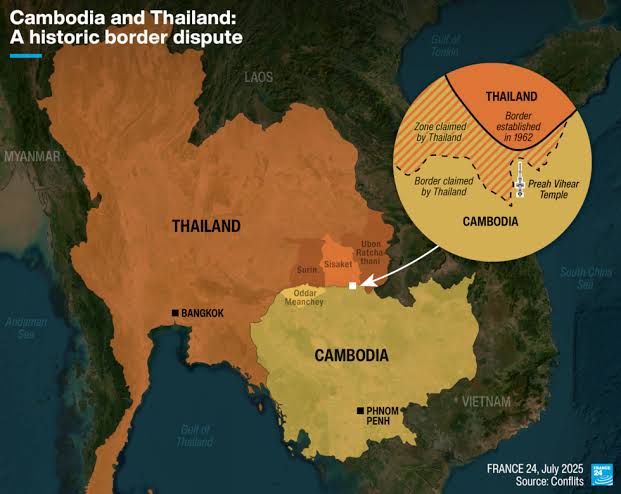
There has been a flare-up along the Thailand-Cambodia border. What started as a long-running disagreement over disputed territory escalated into a short but serious military conflict. Sadly, more than 30 people lost their lives and over 100,000 were temporarily displaced.
The good news: A ceasefire is in place and fighting is not expected to resume. Even if tensions rose again, the conflict is contained to the northeastern border region, far from Thailand’s main tourist areas.
My recommendation: Avoid land crossings between Thailand and Cambodia for now. If you’re planning to continue your trip into Cambodia, fly instead. It’s safer and simpler than crossing by road.
Stricter Drone Rules
Thailand temporarily suspended drone flights during the border conflict. While they’re allowed again, the rules are now much stricter:
∙ No flying within 9 km of an airport
∙ Flights limited to 6:00 AM to 6:00 PM
∙ Maximum altitude of 90 meters without special approval
∙ Drones must be registered with the Thai aviation authority before arrival
If you’re planning to capture Thailand from above, make sure your paperwork is sorted before you arrive.
Cannabis Law Changes
Thailand became the first country in Asia to fully legalize cannabis. But the green revolution has been scaled back.
Cannabis is now classified as a controlled substance, meaning you need a valid medical prescription from an approved doctor to legally buy or use it.
Walking around areas like Sukhumvit in Bangkok, the landscape hasn’t changed dramatically—shops are still open and some advertise doctors on-site to issue prescriptions. However, the key thing for tourists is this: If you’re caught smoking in public without proper paperwork, you could face fines or legal trouble.
Important note: While cannabis may be semi-legal with a prescription, vaping (even nicotine) is not. Getting caught vaping in Thailand can lead to hefty fines and even arrest. I’ve heard stories of travelers being stopped and searched specifically for vapes. Don’t risk it.
Exciting New Experiences in Thailand
Thailand is leveling up its tourism game with some exciting new experiences.
Jurassic World Film Locations
The latest Jurassic Park franchise installment was filmed primarily in Krabi and Phang Nga, showcasing Thailand’s dramatic limestone cliffs and coastlines. Since the film’s release, Jurassic-themed experiences have popped up across Thailand.
The Jurassic World Experience at Asia Tique (one of Bangkok’s best night markets) brings the franchise to life in the big city. Down south, you can explore the actual filming locations—from mangrove forests to hidden jungle trails and dramatic mountain backdrops—for an exciting way to experience the region’s off-the-beaten-path places.
The Blue Jasmine Luxury
One of the most exciting new travel experiences is the launch of the Blue Jasmine Luxury Train. Originally a 1950s Japanese sleeper train, it’s been fully restored into a moving boutique hotel.
The Blue Jasmine offers a 9-day journey across five cities:
∙ Bangkok
∙ Ayutthaya
∙ Uttaradit
∙ Sukhothai
∙ Chiang Mai
This offers one of the classiest ways to explore Thailand.
Tomorrowland Festival Comes to Thailand
Music lovers, take note: The legendary Tomorrowland festival is coming to Thailand. This world-class event joining Thailand’s festival calendar is a testament to the country’s growing reputation as a premium destination.
Thailand’s New Tourism Strategy: Value Over Volume
All of these upgrades are part of Thailand’s shift from “volume” to “value” tourism. Instead of chasing record visitor numbers, the government is focusing on quality over quantity.
This is a smart move. Thailand has historically struggled with a reputation for overcrowded beaches and chaotic tourism hotspots. But as crowds have shifted to other parts of Southeast Asia, Thailand’s best places have gotten a chance to breathe.
If you plan your trip to Thailand now, you might actually experience the country at its absolute best—with better infrastructure, more sophisticated experiences, and more manageable crowds.]
Ready to Start Planning Your Perfect Thailand Trip?